Wholistic system instead of a modular approach: the current status of the AIAMO project

Markus Wartha
Markus Wartha
In the February issue of Straßenverkehrstechnik, Markus Wartha, President of ITS Germany e.V. and consortium leader of AIAMO, demonstrates how the individual components of the project are coming together to form an effective overall system for environmentally sensitive mobility management. The article provides a practical illustration of how traffic flow, environmental goals, governance structures and AI-supported analyses interact to provide cities with a robust basis for decision-making.
Integration as the key to added value
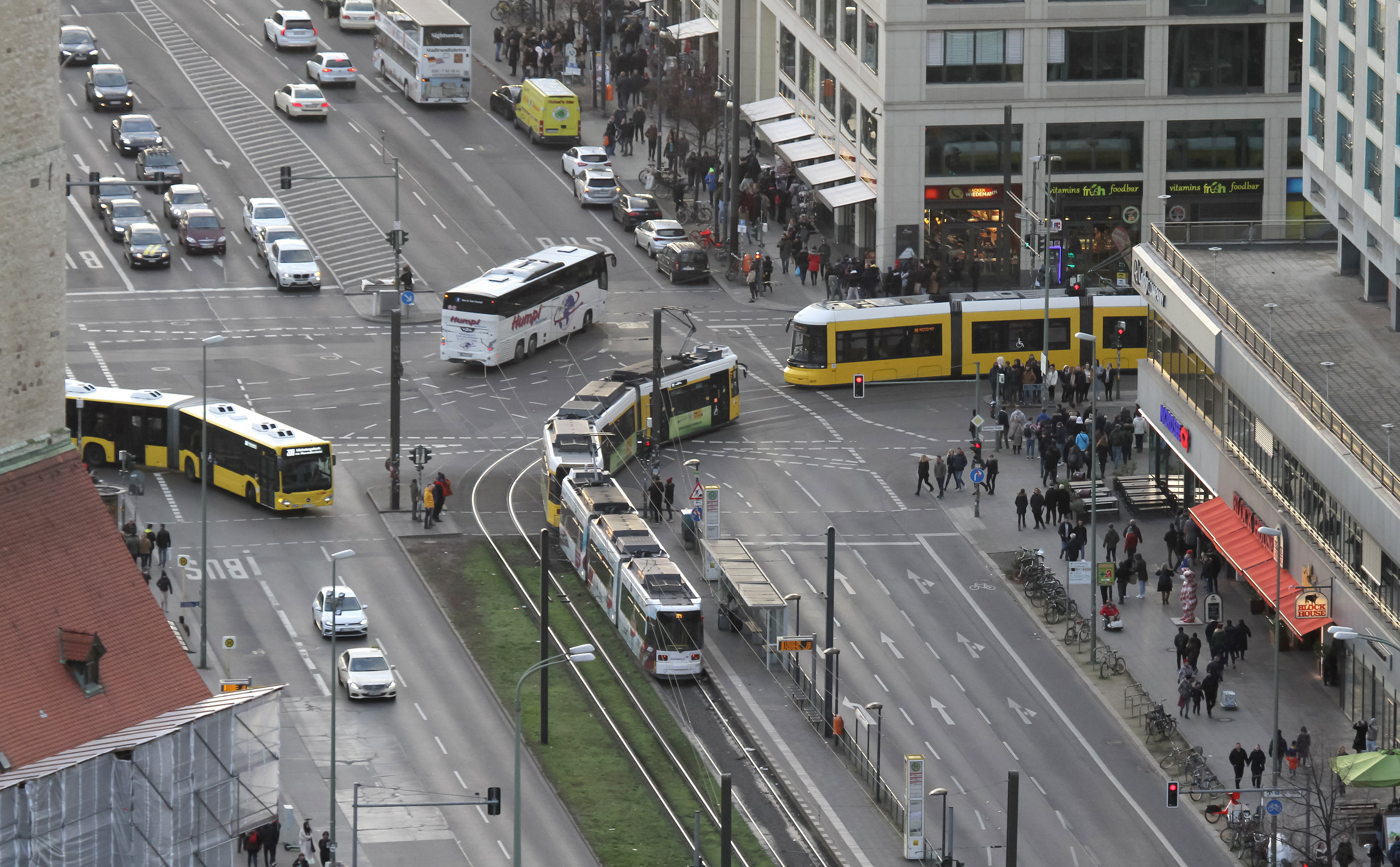
The mobility, traffic and environmental data required for the AI applications are interconnected and standardised via the AIAMOnexus. AI based applications like digital twins or adaptive controls use this data to generate comprehensive analyses and short-, medium- and long-term forecasts, which are then used to develop measures. This is being tested under real conditions in the pilot regions of Leipzig and Landau in the Palatinate.
Making impact measurable
The focus is now on measurable effects: traffic flow, emissions, travel times, reliability and user acceptance are being evaluated transparently. KPI systems and proofs of concept create a reliable basis for decision-making by local authorities and form the basis for scaling up to other cities.
Source: Adobe Stock
Source: Adobe Stock
Organisational development and European perspective
AIAMO also strengthens cross-organisational cooperation: transport authorities, environmental departments, transport companies and IT managers work on a common database and coordinated targets. Clear governance structures and transparent decision-making processes facilitate coordination and effective implementation of measures.
In addition, the project actively contributes to the design of European ITS structures in cooperation with ERTICO – ITS Europe. AIAMO thus provides a reference framework on the basis of which cities and regions in Europe can develop their own context-specific solutions for integrated, environmentally sensitive mobility management.
04.08.2025 - AIAMO in the magazine Zeitung für kommunale Wirtschaft (ZfK): AI makes you mobile - intelligent mobility management [more...]
18.07.2025 - AIAMO in dialogue: New mCAST podcast episode on intermodal mobility [more...]
15.07.2025 - AIAMO special edition: Specialist articles from the AI series in Straßenverkehrstechnik With a greeting from the Federal Minister of Transport, Patrick Schnieder [more...]
08.07.2025 - 4th AIAMOcamp - Two years of AIAMO and a strong signal for the mobility of the future [more...]
23.06.2025 - AIAMO featured in Leipziger Volkszeitung: "Leipzig collects data for the traffic planning of tomorrow" [more...]
18.06.2025 - Digital Twins in Action: Expert article shows new approaches to environmentally responsible traffic management [more...]
12.06.2025 - AIAMO presents the integration zone for the first time at Data Week Leipzig [more...]
10.06.2025 - AIAMO in Behörden Spiegel: Leipzig as a model for sustainable mobility management [more...]
20.05.2025 - New Expert Article: Innovative AI Applications in Mobility Management in Leipzig & Landau [more...]
06.05.2025 - Press release: AIAMO sets new standards in European mobility management [more...]