A fresh breeze: Modern mobility management with AIAMO – Interview with the UFZ team in the Straßenmagazin KIPPE
How can traffic flows be improved, emissions reduced and cities prepared for stricter air quality limits? These are the questions being addressed by the AIAMO research project in Leipzig. In the latest interview in the Leipzig Straßenmagazin KiPPE, geoscientist and data scientist Timo Houben from the Helmholtz Centre for Environmental Research (UFZ) explains how environmentally sensitive mobility management is supporting Leipzig.
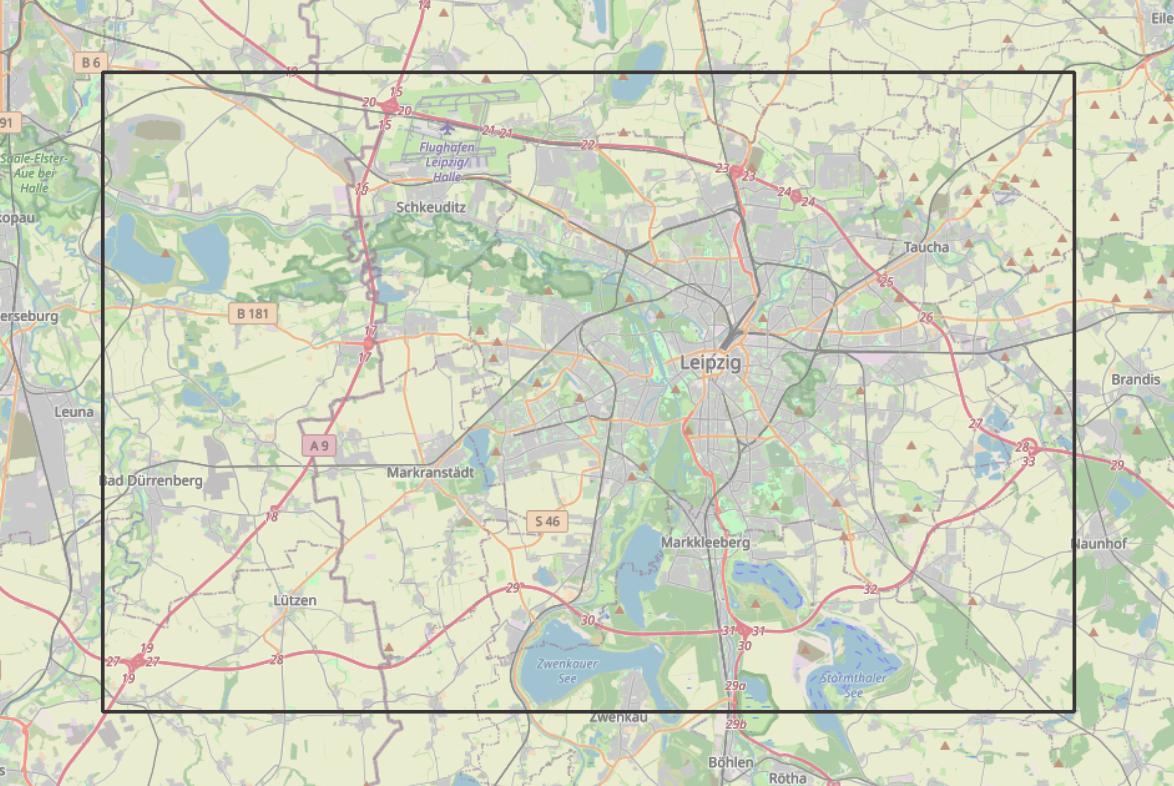
A central component of AIAMO is the Digital Twin – a virtual representation of the city of Leipzig. To achieve this, a wide variety of data sources are brought together: traffic data, weather information, public transport timetables and readings from modern air quality sensors across the entire city. This creates an up-to-date picture of how traffic, weather and emissions influence one another. On this basis, scenarios can be simulated, traffic flows analysed and the impacts of roadworks, closures or major events assessed at an early stage.
Stricter air quality limits from 2030 in view
This development is particularly important in view of the stricter EU limits for air pollutants from 2030, which pose major challenges for many cities. This is precisely where AIAMO comes in: intelligent mobility management reduces traffic jams and mitigates emission peaks.
Innovation made in Leipzig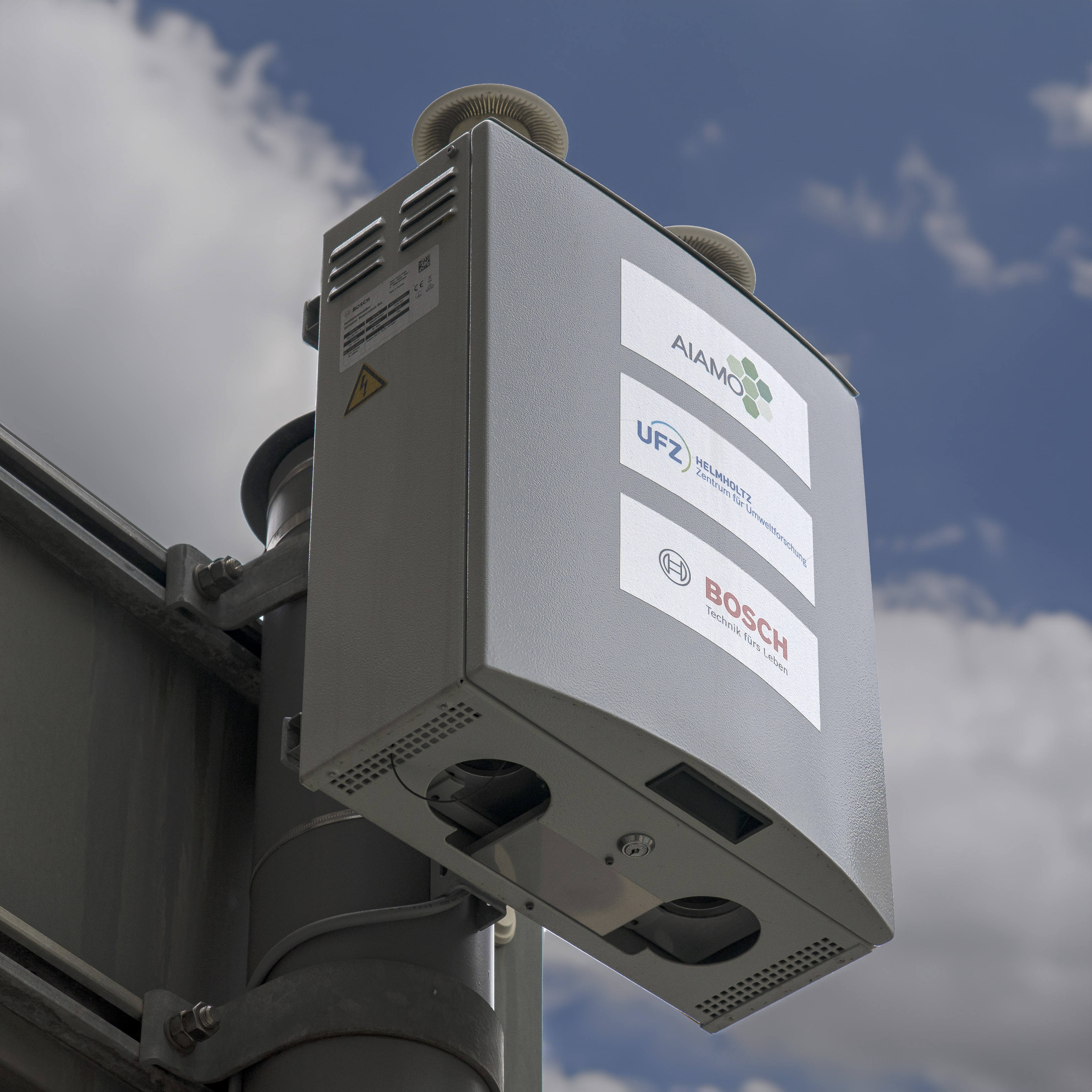
AIAMO impressively demonstrates how innovative research creates tangible improvements for everyday life – through close collaboration between science, city administration and industry. With data-driven solutions, the responsible use of AI and a clear focus on sustainability, environmentally sensitive mobility management ensures a better quality of life in our cities – with direct benefits for citizens.
Read the full article here (PDF)
17.04.2025 - New technical article: Networking data, rethinking mobility [more...]
10.04.2025 - Leipzig and Landau in der Pfalz presented as the first AIAMO Pilot Regions in the BMDV [more...]
08.04.2025 - Digital twins in mobility management: AIAMO as a practical example in Tagesspiegel Background [more...]
19.03.2025 - New press article: Social mobility as a success factor in the mobility transition [more...]
13.03.2025 - 3rd #AIAMOcamp [more...]
05.02.2025 - New AIAMO series in the German specialist magazine Straßenverkehrstechnik: interview on the potential of AI in mobility management [more...]
24.10.2024 - Optimization and calibration of vehicle following models with drone data [more...]
12.07.2024 - 2nd #AIAMOcamp [more...]
19.06.2024 - AIAMO goes Europe [more...]
17.05.2024 - AIAMO at Data Week Leipzig 2024: Innovation meets reality [more...]